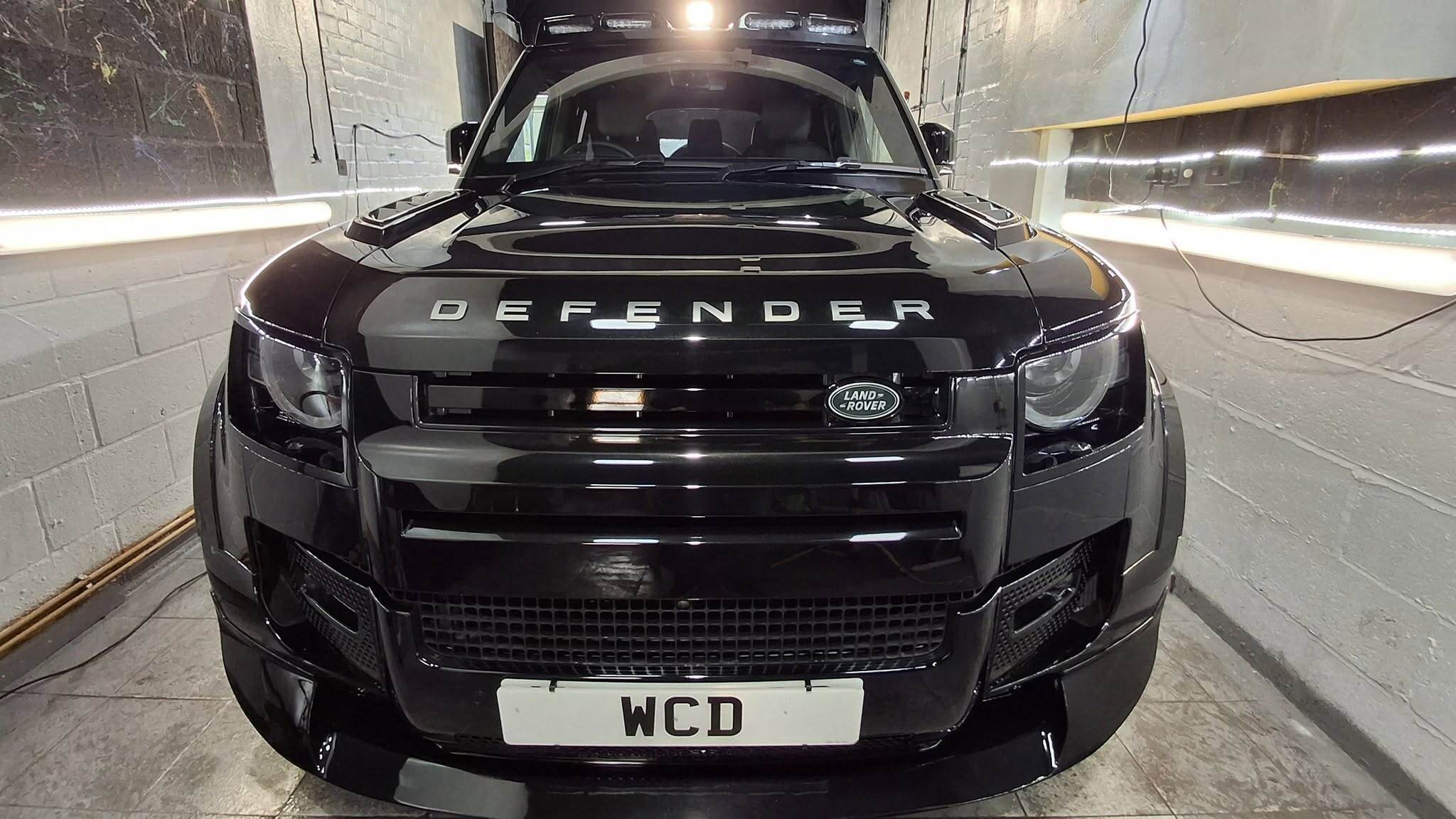
Ceramic Coating — WA4
Ceramic Coating in Grappenhall
Car Ceramic Coating and detailing warrington0 applies professional ceramic coating for Grappenhall (WA4) vehicles at our dedicated unit in Warrington WA5. Gtechniq Crystal Serum and CarPro Cquartz from £250 — applied by accredited installers with fixed pricing.
The Short Answer
What Is Ceramic Coating?
Definition
Ceramic coating is a liquid polymer — primarily silicon dioxide (SiO₂) — applied to a vehicle's clear coat by hand. It bonds covalently to the hydroxyl groups in the clear coat surface, creating a semi-permanent protective layer that is harder, more hydrophobic, and more chemically resistant than bare paint, wax, or polymer sealant.
Unlike car wax — which sits on top of the paint and wears away within weeks — a properly applied ceramic coating bonds permanently to the clear coat and lasts years, not seasons. The cured surface causes water to bead and roll off, prevents brake dust and road contamination from bonding, blocks UV degradation, and resists chemical etching from bird lime, tree sap, and road chemicals. In our experience applying ceramic coatings at our Warrington WA5 unit, the visual improvement on a well-prepared surface is immediate: deeper gloss, more vibrant colour, and a beading behaviour that is obvious on the first drive home in rain.
Why Grappenhall Drivers Choose Car Ceramic Coating and detailing warrington0
Ceramic Coating for Grappenhall Vehicles
Grappenhall village sits at the southern edge of Warrington's urban boundary, where the residential streets give way to the Cheshire countryside and the canal towpath running alongside the Bridgewater Canal. The older part of the village — Church Lane, Bellhouse Lane, and the cobbled area near St Wilfrid's Church — has a quiet, rural character that makes it one of the most sought-after addresses in WA4. Grappenhall Heys, the newer development to the south, adds a large number of executive homes and the substantial vehicle collection that typically accompanies them.
The country lane driving around Grappenhall brings its own paint hazards: stone chips from unmetalled surfaces, tree sap dropping onto parked vehicles from overhanging branches in spring and summer, and the fine grit that coats vehicles travelling along Grappenhall Lane and the rural routes towards Lymm. A ceramic coating creates the hardest possible outer surface for your clear coat — rated at 9H on the pencil hardness scale for our top-tier Gtechniq Crystal Serum Ultra — significantly reducing the penetration of fine stone chips and making any contamination that does reach the surface far easier to remove. Our Fairclough Mill unit in WA5 is under ten minutes from Grappenhall village, and we regularly work with residents from across both Grappenhall and Grappenhall Heys.
All work carried out at our Fairclough Mill unit — controlled environment, professional equipment, consistent results.
Gtechniq and CarPro accredited. Manufacturer warranties apply when coatings are applied by our team.
Rated 5.0 on Google with 47 reviews. Our customers come from across Warrington and the North West.
We agree the price before we start. No hidden extras, no surprises — just the quote we gave you.
Local Knowledge
Why Ceramic Coating Matters in Grappenhall
Vehicles based in Grappenhall travel a mix of rural lanes and the A50 and A56 routes into Warrington. Country lane driving — particularly along Bellhouse Lane, Broad Lane, and the routes connecting to Lymm — exposes paintwork to stone chips, organic contamination from overhanging trees, and the sap and pollen that settles heavily in spring. Grappenhall Heys residents driving onto the M56 face motorway grit and brake dust from surrounding vehicles at speed. Ceramic coating addresses both environments: the hardness rating resists stone impact, and the chemical resistance and water-beading properties prevent organic contamination from bonding. The result is a vehicle that needs minimal intervention between washes and holds its condition across seasonal changes.
Ceramic Coating Packages
Choose Your Protection Level
All packages include full decontamination, clay bar treatment, paint correction, and precision coating application at our Warrington WA5 unit. Fixed pricing — no hidden extras.
CarPro Cquartz UK 3.0
2–3 Years Protection
- ✓SiO2 ceramic coating
- ✓2–3 year durability
- ✓UK climate formulated
- ✓Strong hydrophobic effect
- ✓Chemical resistance
- ✓Single-stage polish included
- ✓Aftercare guide included
Gtechniq Crystal Serum Light
3–5 Years Protection
- ✓Gtechniq CSL coating
- ✓3–5 year durability
- ✓Semi-permanent bond
- ✓Superior hydrophobic layer
- ✓9H surface hardness
- ✓Comprehensive correction included
- ✓Manufacturer warranty
Gtechniq Crystal Serum Ultra
Up to 9 Years Protection
- ✓Two-layer CSU system
- ✓9-year manufacturer warranty
- ✓Maximum 9H hardness
- ✓Flexible base + hard cap
- ✓Best stone chip resistance
- ✓Multi-stage correction included
- ✓Accredited installer applied
Choosing the Right Protection
Ceramic Coating vs Wax vs Sealant vs PPF
Understanding the differences between paint protection options helps you choose the right level for your vehicle, driving habits, and budget.
| Feature | Car Wax | Polymer Sealant | Ceramic Coating ✓ | PPF |
|---|---|---|---|---|
| Durability | 4–8 weeks | 3–6 months | 2–9 years | 10+ years |
| Bond type | Physical (topcoat) | Weak chemical | Covalent SiO₂ | Adhesive film |
| Surface hardness | Low | Low–medium | 9H pencil scale | Medium + self-healing |
| Hydrophobic effect | Moderate | Good | Exceptional | Good |
| UV protection | Limited | Moderate | High | High |
| Chemical resistance | Low | Low | High | Medium |
| Self-healing | No | No | No | Yes (TPU topcoat) |
| Approx. cost | £10–30 DIY | £20–80 DIY | £250–650 pro | £500–3,000+ |
PPF = Paint Protection Film (thermoplastic urethane). Can be combined with ceramic coating for maximum paint protection on high-impact areas.
How It Works
Our 8-Stage Ceramic Coating Process
Every vehicle goes through the same eight stages. No shortcuts — each step exists because skipping it compromises the final result. After applying ceramic coatings to hundreds of vehicles at our Warrington unit, this sequence is non-negotiable.
Paint Depth Measurement
We measure clear coat depth across every panel with a digital paint depth gauge before touching the surface. This reading guides our correction approach and confirms the vehicle can safely receive the polishing stage specified in your package.
Decontamination Wash
Full pre-wash, snow foam, and two-bucket contact wash using pH-neutral products to remove loose surface contamination without marring the paint.
Iron Fallout Removal
Chemical iron decontamination spray reacts with and dissolves embedded ferrous particles — brake dust, rail dust, industrial fallout — from the clear coat surface.
Clay Bar Treatment
A fine clay bar is passed over every panel to physically lift any remaining bonded contamination that chemical decontamination hasn't removed, leaving the surface perfectly smooth to the touch.
Paint Correction
Machine polishing removes swirl marks, fine scratches, water spots, and surface oxidation. Stage count — single, two, or three-stage — depends on the package chosen and the condition of the paint.
IPA Panel Wipe
A full wipe-down with isopropyl alcohol removes all polish oils and residue, revealing the true paint condition and providing a chemically clean surface for the ceramic coating to bond to.
Ceramic Coating Application
The coating is applied panel by panel under controlled conditions. Each section is levelled immediately after application and inspected under LED lighting for high spots or streaking before proceeding to the next panel.
Cure, Inspection & Handover
The vehicle undergoes a final quality inspection under halogen lighting before collection. We walk through the full aftercare schedule with you — what to avoid in the first seven days, how to wash correctly, and what to expect during the cure period.
Honest Assessment
What Ceramic Coating Cannot Protect Against
One misconception we encounter regularly is that ceramic coating is an invisible armour that prevents all paint damage. It is not — and we believe in being direct about what it does and does not do before you commit to a package.
Large stone chip impacts
A direct stone strike at motorway speed will penetrate a ceramic coating, just as it would wax or bare clear coat. The 9H hardness rating reduces the frequency and depth of fine chips from gravel and grit, but ceramic coating is not a physical barrier. For genuine stone chip protection on the bonnet and front bumper, Paint Protection Film (PPF) is the correct product — and it can be applied beneath or alongside a ceramic coating.
Key scratches and abrasive damage
Ceramic coating does not make paint impervious to scratches. A key dragged across a panel, or the abrasive brushes inside an automatic car wash, will still mark the coating. The 9H hardness makes fine micro-marring from washing less likely, but deliberate or aggressive abrasion will mark any coating regardless of product or application quality.
Self-healing capability
Unlike Paint Protection Film made from thermoplastic urethane (TPU), ceramic coatings do not self-heal. A scratch in the coating is permanent. PPF's TPU topcoat can close minor surface scratches when exposed to heat — silicon dioxide cannot.
Maintenance-free ownership
Ceramic coating dramatically reduces the effort and frequency of maintenance — but it does not eliminate it. A two-bucket hand wash every three to four weeks remains necessary. Leaving a ceramic-coated vehicle unwashed for months degrades the coating's performance over time. The coating reduces the work and extends the window; it does not remove the requirement entirely.
Acidic deposits left for extended periods
Bird lime, tree sap, and insect splatter are acidic. Ceramic coating gives you a significantly wider window to remove these deposits safely compared to bare paint — but if left for weeks in warm weather, they can still etch the coating surface. Remove contamination within 24–48 hours using a pH-neutral quick detailer spray, not at the next scheduled wash.
Protecting Your Investment
How Long Ceramic Coating Lasts — and How to Extend It
In our experience, vehicles whose owners follow a consistent maintenance schedule regularly reach or exceed the manufacturer-rated protection period. The maintenance requirement is modest — but it is not optional.
Factors That Affect Coating Longevity
Two-bucket hand wash preserves 100% of rated life. Automatic car washes with brushes reduce longevity by 20–40% through micro-abrasion of the coating surface.
A Gtechniq Reload or CarPro Reload booster applied after a decontamination wash extends effective protection by 12–24 months per application.
High UV environments — south-facing parking, extended summer driving — reduce longevity by approximately 10–15% compared to garaged vehicles.
Frequent motorway use increases iron fallout load on the coating. An annual iron decontamination treatment maintains coating integrity and hydrophobic performance.
Thorough paint correction before coating improves SiO₂ bond strength to the clear coat surface, directly maximising the rated durability of the product applied.
Recommended Maintenance Schedule
Keep the vehicle dry and away from direct rain. No washing, no pressure washer, no automatic car wash. Allow the coating to complete initial cure.
First hand wash permitted. Use pH-neutral car shampoo, two-bucket method with grit guards. Rinse and dry with a clean microfibre towel.
Regular two-bucket hand wash with pH-neutral shampoo. Dry with an air blower or clean microfibre. No automatic car washes — ever.
Maintenance detail: decontamination wash, iron fallout removal, coating inspection, and booster coat application. Extends coating life significantly.
Bird lime, tree sap, or insect splatter: remove within 24–48 hours using a pH-neutral quick detailer spray. Do not allow acidic deposits to sit in warm weather.
Car Ceramic Coating and detailing warrington0 tip: The single biggest factor in extending coating longevity is the annual maintenance detail. A booster coat applied after a full decontamination wash adds 12–24 months to the effective life of any ceramic coating — at a fraction of the cost of a full re-application.
Customer Reviews
What Our Customers Say
“I travelled from Bristol to Warrington after seeing the quality of work Car Ceramic Coating and detailing warrington0 produces. Absolutely worth every mile. My BMW looks better than the day I bought it!”
“Incredible results on my VW Golf. The machine polishing has completely removed the swirl marks and the ceramic coating makes it look brand new. Worth every penny.”
“Good price and excellent service. Used Car Ceramic Coating and detailing warrington0 for machine polishing and the results were stunning — every swirl mark gone. Highly recommend!”
Common Questions
FAQs — Ceramic Coating in Grappenhall
Grappenhall-Specific Questions
Do you cover Grappenhall Heys as well as the original village?
Yes — we serve the full WA4 postcode area including both Grappenhall village and Grappenhall Heys. Both areas are a short drive from our Fairclough Mill, Atherton's Quay unit in WA5. Whether you're on Church Lane or in one of the newer Grappenhall Heys developments, the booking process is identical: call 07375 759686 or submit an online quote request and we'll arrange a day at our unit.
Can ceramic coating protect against stone chips on country lanes near Grappenhall?
Ceramic coating at 9H hardness (Crystal Serum Ultra) significantly reduces the penetration of fine stone chips compared to bare clear coat or wax-protected paint. It won't prevent direct high-velocity impacts from large stones — nothing does — but the hardness and thickness of the cured coating means small chips that would penetrate standard clear coat often don't break through. For maximum stone chip resistance, we can combine ceramic coating with Paint Protection Film (PPF) on the most vulnerable panels.
How often should I wash a ceramic-coated vehicle based in Grappenhall?
In a rural area like Grappenhall where tree sap, pollen, and organic debris are more prevalent in certain seasons, a two-bucket hand wash every two to three weeks is ideal during spring and summer. In autumn and winter, the frequency can reduce slightly. Avoid leaving sap or pollen sitting on the coating for extended periods — while the coating resists adhesion, acidic deposits left for weeks can still etch into the surface.
What is the difference between Crystal Serum Light and Crystal Serum Ultra for a Grappenhall vehicle?
Both are Gtechniq products using the same core SiO2 chemistry. Crystal Serum Light (CSL) is a single-layer coating rated at 3–5 years and costs £350 for most vehicles. Crystal Serum Ultra (CSU) is a two-layer system — a flexible base topped with an ultra-hard cap — rated at up to 9 years and costs £650. For vehicles spending time on rural lanes, CSU's superior hardness provides better stone chip resistance. For most daily drivers, CSL offers excellent protection at a more accessible price.
How do I get my vehicle to your unit from Grappenhall?
From Grappenhall, take Grappenhall Lane north to the A49, then head west towards Wilderspool Causeway and follow the A57 to Atherton's Quay — approximately 8 minutes in normal traffic. Alternatively, take the back roads through Warrington via Loushers Lane. We provide a full postcode for navigation: WA5 1AH. There is parking directly at the unit. We ask customers to arrive by 8:30am for a full-day coating appointment.
General Ceramic Coating Questions
Does ceramic coating prevent scratches?
Ceramic coating at 9H hardness significantly reduces the likelihood of fine surface marring — the type caused by improper washing technique, light contact, or environmental debris. It does not make paint scratchproof. Deliberate abrasion, such as keys dragged across a panel or the brushes inside an automatic car wash, will still mark a ceramic coating. For genuine self-healing scratch resistance, Paint Protection Film (PPF) — which uses a thermoplastic urethane topcoat — is the appropriate product. Many customers apply PPF to the most vulnerable panels and ceramic coating over the rest of the vehicle.
Is ceramic coating the same as car wax?
No — they are fundamentally different products. Car wax is a natural or synthetic compound that sits on top of the paint surface and wears away within 4–8 weeks. Ceramic coating is a liquid polymer (SiO₂) that bonds covalently to the clear coat and lasts 2–9 years depending on the product. Wax provides a mild hydrophobic effect and moderate gloss enhancement. Ceramic coating provides substantially superior hardness, chemical resistance, UV protection, and hydrophobic performance — and does not require seasonal re-application.
Can I apply ceramic coating at home without a professional?
Consumer-grade ceramic coatings are available in DIY kits, but professional application produces significantly more durable results for several reasons. First, paint correction is essential before coating — any swirl marks or imperfections will be sealed in permanently beneath the coating. Second, application requires controlled temperature and humidity, LED inspection lighting, and precise technique to avoid high spots and streaks. Third, professional-grade products such as Gtechniq Crystal Serum Ultra and CarPro Cquartz UK 3.0 are only available through accredited installers. Professional application provides the correct preparation, the highest-grade products, and the manufacturer warranty that DIY kits cannot offer.
What is the difference between ceramic coating and Paint Protection Film (PPF)?
Ceramic coating is a liquid polymer that bonds chemically to the paint surface, providing hardness, hydrophobicity, and chemical resistance. Paint Protection Film (PPF) is a physical thermoplastic urethane film adhered over the paint, forming a self-healing barrier against stone chips and light scratches. Ceramic coating cannot self-heal; PPF can. PPF costs significantly more — typically £500–£3,000+ depending on coverage area. The two products are complementary: many customers apply PPF to high-impact areas (bonnet, bumper, wing mirrors) and ceramic coating over the full vehicle including the film itself. After correcting hundreds of vehicles at our Warrington unit, we regularly recommend this combination for prestige vehicles or those covering high annual mileage.
Does ceramic coating improve a car's resale value?
A professionally applied ceramic coating from an accredited installer can positively affect resale value in two measurable ways. First, it preserves paint condition significantly better than an uncoated vehicle over the same period — a car with ceramic-protected paint in excellent condition commands a stronger price than one with faded, scratched, or oxidised paintwork. Second, a transferable warranty such as the 9-year Gtechniq Crystal Serum Ultra warranty is a verifiable, documented feature that prospective buyers can confirm directly with Gtechniq. In our experience, customers who coat new or nearly-new vehicles recoup a meaningful portion of the coating cost in improved resale position.
Coverage Map
Nearby Ceramic Coating Areas
Get Started Today
Ready to Book Your Detailing?
Professional ceramic coating & machine polishing in Warrington. Bring your vehicle to our unit and get in touch for a free quote.
✓ Open 24 hours·✓ No hidden fees·✓ Free estimates